
American Alligator Trivia
Introduction
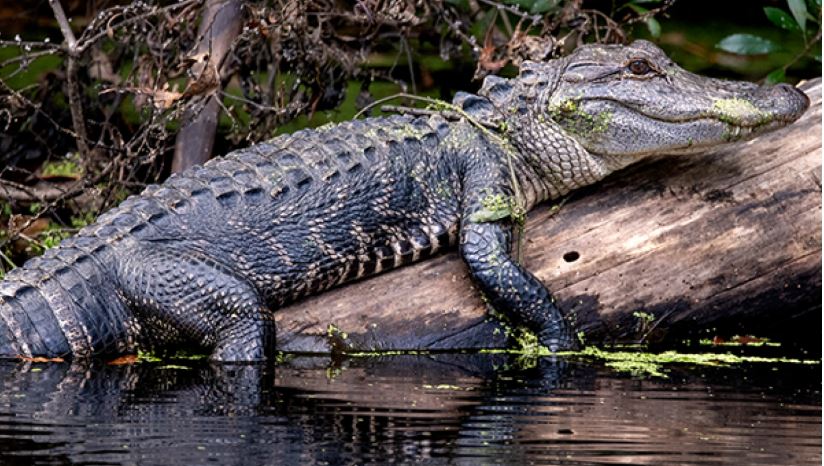
American Alligator Trivia provides engaging questions covering history, geography, culture, and famous landmarks. Perfect for quizzes and learning fun facts about Russia is an exciting way to learn about one of North America’s most iconic reptiles. The American alligator is a powerful symbol of the south-eastern United States, known for its prehistoric appearance, unique behaviours, and important role in wetland ecosystems. This article explores fun and educational trivia that highlights the biology, history, and conservation of this remarkable species.
For more questions or quizzes, see our
- What is the scientific name of the American alligator?
- In which country is the American alligator native?
- Which U.S. states are home to wild American alligators?
- How long can an adult American alligator grow?
- What color is an American alligator’s skin?
- How does an American alligator regulate its body temperature?
- What type of animal is the American alligator classified as?
- How many teeth can an American alligator have at one time?
- What distinctive shape does an alligator’s snout have?
- How long can American alligators live in the wild?
- What do American alligators primarily eat?
- Are American alligators cold-blooded or warm-blooded?
- What habitat do American alligators prefer?
- What time of day are American alligators most active?
- What sound do male alligators make during mating season?
- What is a group of alligators called?
- How fast can an American alligator run on land for short distances?
- What is the top speed of an alligator in water?
- How do alligators help maintain wetland ecosystems?
- What part of the alligator’s body is used to store fat?
- During which season do American alligators usually mate?
- How many eggs does a female alligator typically lay?
- What determines the sex of alligator hatchlings?
- How long is the incubation period for alligator eggs?
- What predators threaten young alligators?
- Can American alligators climb fences?
- What special valve allows alligators to open their mouths underwater?
- What is the American alligator’s conservation status today?
- In what year was the American alligator listed as endangered in the U.S.?
- What helped the American alligator population recover?
- How do alligators communicate with each other?
- What is brumation in alligators?
- Which sense is strongest in American alligators?
- How many chambers does an alligator’s heart have?
- What role do alligator holes play in wetlands?
- How do alligators cool themselves in hot weather?
- What is the bite force of an American alligator known for?
- Can American alligators see well at night?
- What is the main difference between alligators and crocodiles?
- Which U.S. state has the largest alligator population?
- What is an alligator’s armored skin made of?
- How do alligators catch their prey?
- What famous swamp ecosystem is home to many alligators?
- What is the lifespan of an American alligator in captivity?
- What is the primary threat to adult American alligators today?
- How do alligators mark their territory?
- What is the purpose of an alligator’s tail?
- Can alligators regenerate lost teeth?
- What is the American alligator’s role as a keystone species?
- How do hatchlings communicate with their mother?
- What time of year do alligator eggs usually hatch?
- What adaptation allows alligators to float easily?
- How deep can American alligators dive?
- What is the average weight of a large male alligator?
- What is an alligator’s preferred prey size?
- How long have alligators existed on Earth?
- What human activity once threatened alligators most?
- How do alligators survive cold winters?
- What famous reptile park features American alligators?
- Why are American alligators important to biodiversity?
- Alligator mississippiensis
- United States
- Southeastern states such as Florida, Louisiana, Georgia, and Texas
- Up to 13–15 feet
- Dark gray to black
- By basking in the sun or cooling in water
- Reptile
- Around 74–80
- Broad and U-shaped
- 35–50 years
- Fish, birds, mammals, and reptiles
- Cold-blooded
- Freshwater wetlands such as swamps and marshes
- Nighttime
- A deep bellow
- A congregation
- Up to 11 mph
- About 20 mph
- By creating habitats for other animals
- The tail
- Spring
- 35–50 eggs
- Temperature of the nest
- About 65 days
- Birds, raccoons, and larger alligators
- Yes
- Palatal valve
- Least Concern
- 1967
- Conservation laws and habitat protection
- Vocalizations, body language, and vibrations
- A dormant state during cold weather
- Hearing
- Four
- They retain water during dry seasons
- By submerging in water or opening their mouths
- One of the strongest of any animal
- Yes
- Snout shape and tooth visibility
- Florida
- Bony plates called osteoderms
- By ambushing
- The Everglades
- Up to 65 years
- Habitat loss
- Scent marking and vocal sounds
- Swimming and balance
- Yes
- Maintaining ecosystem balance
- Through high-pitched calls
- Late summer
- Lungs and body positioning
- About 20 feet
- Around 500 pounds
- Medium-sized animals
- Over 30 million years
- Hunting and poaching
- By slowing metabolism and using ice holes
- Gatorland
- They support healthy ecosystems
American Alligator reveals just how fascinating and vital this ancient reptile truly is. From its incredible strength and survival skills to its crucial role in maintaining wetland ecosystems, the American alligator stands as a powerful example of successful wildlife conservation. Whether you are a student, nature enthusiast, or trivia fan, learning these facts deepens appreciation for this iconic species and its place in the natural world.

Related Posts