
Largest Organ Trivia
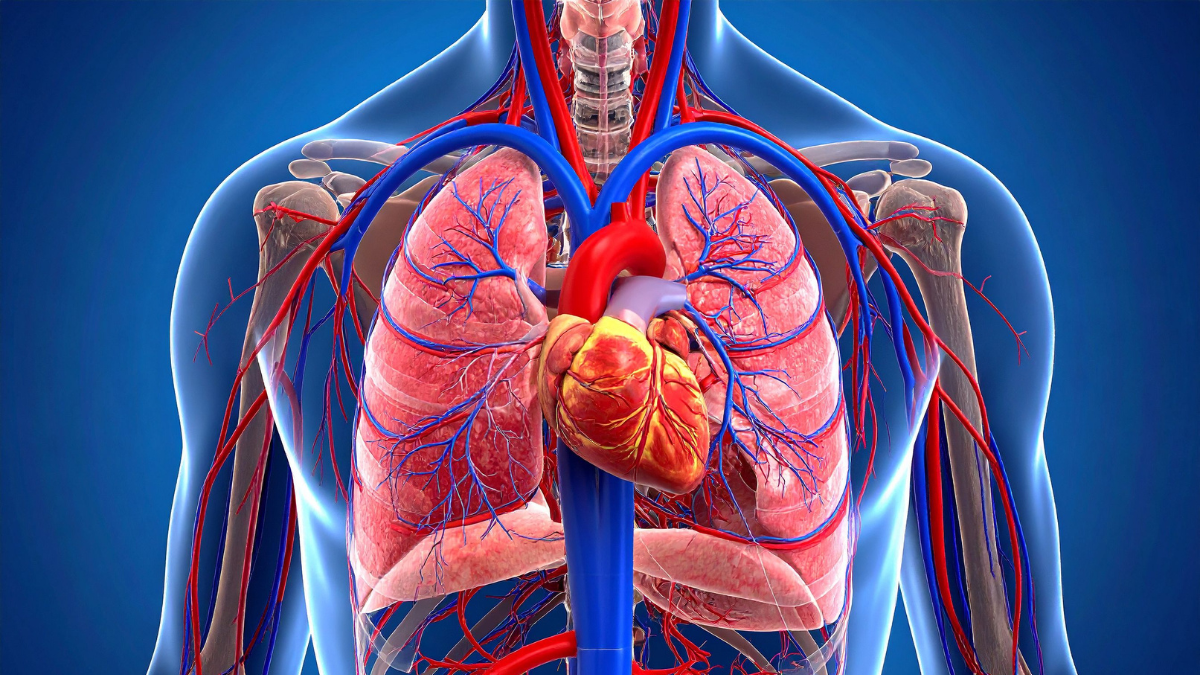
Largest Organ trivia explores one of the most surprising facts in human anatomy: the skin is the largest organ of the human body. Many people assume an internal organ holds that title, but Largest Organ facts reveal how vital, complex, and fascinating the skin truly is. This trivia challenge dives into anatomy, biology, and health-related facts that make learning about the Largest Organ both educational and entertaining.
- What is considered the largest organ in the human body?
- Which organ covers the entire external surface of the body?
- Approximately how much does the skin weigh in an average adult?
- What percentage of total body weight does the skin represent?
- What are the three main layers of the skin?
- Which layer of skin is the outermost?
- Which layer contains blood vessels and nerve endings?
- What is the deepest layer of the skin called?
- What protein gives skin its strength and structure?
- What protein provides elasticity to the skin?
- What pigment determines skin color?
- What cells produce melanin?
- How does the skin help regulate body temperature?
- What glands in the skin produce sweat?
- What type of glands produce oil to moisturize skin?
- What role does the skin play in immune defense?
- What vitamin does the skin help synthesize when exposed to sunlight?
- Which part of the skin contains hair follicles?
- What sensory receptors are found in the skin?
- How does the skin protect the body from pathogens?
- What is the medical term for skin inflammation?
- What condition results from excessive sun exposure damaging skin cells?
- What type of tissue primarily makes up the skin?
- How often does the outer layer of skin renew itself?
- What is the primary function of the epidermis?
- Which organ system does the skin belong to?
- What happens to the skin as people age?
- Which organ works closely with the skin to regulate temperature?
- What is the thickest skin on the human body?
- What is the thinnest skin on the human body?
- How many nerve endings are estimated to be in the skin?
- What role does skin play in preventing dehydration?
- Which cells in the skin are involved in immune response?
- What medical specialty focuses on skin health?
- What type of cancer affects the skin?
- What part of the skin heals wounds and regenerates cells?
- What substance does sweat primarily consist of?
- What condition occurs when pores become clogged?
- How does the skin help absorb medications?
- What is the skin’s role in touch sensation?
- Which layer of skin contains collagen fibers?
- What external factors can damage the skin?
- How does the skin respond to injury?
- What organ is sometimes mistakenly believed to be larger than the skin?
- What color change occurs when blood vessels dilate under the skin?
- How does the skin help maintain homeostasis?
- What is goosebumps’ function related to skin?
- Which skin cells produce keratin?
- What happens to skin exposed to extreme cold?
- What is the medical term for excessive sweating?
- What type of receptors allow the skin to sense pain?
- How does skin thickness vary across the body?
- What lifestyle factor greatly affects skin health?
- What is the function of nails in relation to skin?
- What part of the skin contains fat cells?
- How does hydration affect the skin?
- What common condition involves dry, itchy skin?
- What role does the skin play in communication and expression?
- How does the skin protect against UV radiation?
- Why is the skin considered an organ rather than just a covering?
- The skin
- The skin
- About 8 pounds
- Around 15 percent
- Epidermis, dermis, hypodermis
- Epidermis
- Dermis
- Hypodermis
- Collagen
- Elastin
- Melanin
- Melanocytes
- By sweating and blood vessel regulation
- Sweat glands
- Sebaceous glands
- It acts as a barrier and contains immune cells
- Vitamin D
- Dermis
- Touch, pain, pressure, and temperature receptors
- By forming a physical barrier
- Dermatitis
- Skin cancer
- Epithelial tissue
- About every 28 days
- Protection
- Integumentary system
- It becomes thinner and less elastic
- The circulatory system
- Palms of the hands and soles of the feet
- Eyelids
- Millions
- By preventing water loss
- Langerhans cells
- Dermatology
- Melanoma
- Epidermis
- Water
- Acne
- Through transdermal absorption
- Detecting physical contact
- Dermis
- Sun, pollution, chemicals
- By forming clots and new tissue
- The liver
- Redness
- By regulating temperature and fluid balance
- Insulation and sensory response
- Keratinocytes
- It may become numb or frostbitten
- Hyperhidrosis
- Nociceptors
- It varies depending on location
- Sun exposure
- Protection and grip
- Hypodermis
- It improves elasticity and appearance
- Eczema
- Facial expressions and touch
- By producing melanin
- Because it performs vital biological functions
Largest Organ trivia reveals just how remarkable the skin truly is. Far more than a protective covering, it plays a crucial role in sensation, temperature regulation, immunity, and overall health. Exploring Largest Organ facts through trivia not only deepens understanding of human anatomy but also sparks curiosity about how the body works. For trivia lovers, this topic offers a perfect blend of science, surprise, and fascinating knowledge that makes learning both fun and memorable.

Related Posts