
Dow Jones Trivia
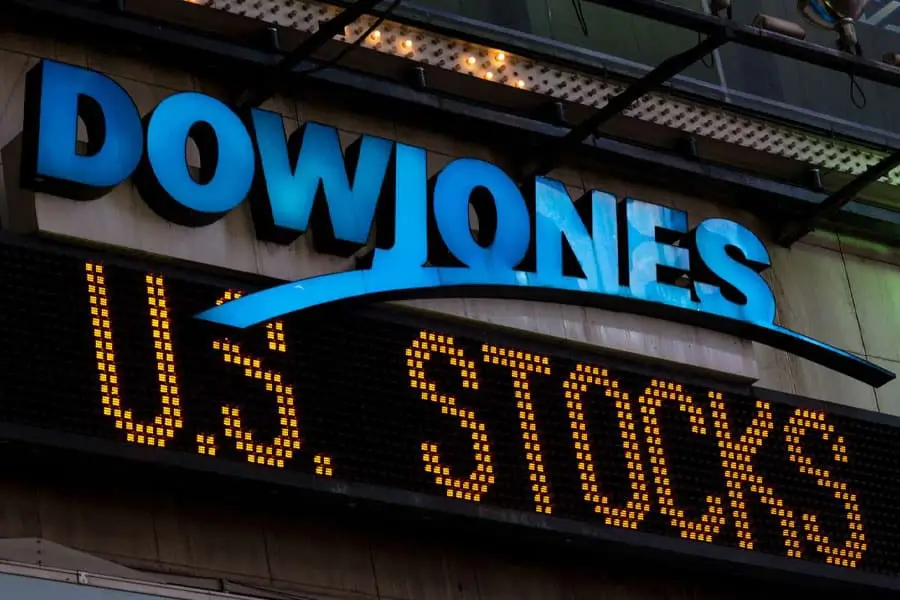
Dow Jones is one of the most widely recognized names in global finance, most commonly associated with the Dow Jones Industrial Average (DJIA), a key stock market index in the United States. Tracking the performance of major publicly traded companies, Dow Jones has become a benchmark for economic health and investor sentiment. This trivia explores the history, structure, and influence of Dow Jones in the financial world.
For more questions or quizzes, see our website
Dow Jones Trivia Questions
- What does DJIA stand for?
- In which year was the Dow Jones Industrial Average created?
- Who founded the Dow Jones index?
- How many companies are included in the DJIA?
- What type of index is the Dow Jones Industrial Average?
- Which stock exchange are most Dow Jones companies listed on?
- What is the Dow Jones used to measure?
- Which company publishes the Dow Jones index?
- What was the original number of companies in the DJIA?
- Which sector dominated the original DJIA?
- What is the significance of the Dow reaching 10,000 points?
- What is a “blue-chip” company?
- Which famous newspaper is associated with Dow Jones?
- What is the Dow divisor?
- How often is the DJIA updated during trading hours?
- Which company is one of the oldest continuously listed in the Dow?
- What does it mean when the Dow “closes higher”?
- Which financial crisis caused a major drop in the Dow in 2008?
- What is the difference between the Dow and the S&P 500?
- What type of weighting does the Dow use?
- Which company was recently added to the Dow Jones index?
- What happens when a company is removed from the Dow?
- What is the highest point the Dow has ever reached?
- What does a “bear market” indicate?
- What does a “bull market” indicate?
- Which sector is heavily represented in the Dow today?
- What is the trading symbol often used for the Dow?
- Which global event caused a sharp drop in the Dow in 2020?
- What is the role of the Dow Jones in global markets?
- What is the opening bell in relation to the Dow?
- What is the closing bell?
- Which company calculates the Dow Jones Industrial Average?
- What is the significance of Dow futures?
- What is the purpose of stock indices like the Dow?
- What is the relationship between the Dow and investor confidence?
- Which company was the first to be removed from the Dow?
- What is the impact of inflation on the Dow?
- What is a stock split and how does it affect the Dow?
- Which industry was added more recently to reflect modern markets?
- What is the role of dividends in Dow stocks?
- What is the difference between Dow Jones and Nasdaq?
- Which Dow company is known for technology innovation?
- What is the historical significance of Black Monday (1987)?
- What is the Dow’s reaction to interest rate changes?
- What is a correction in the stock market?
- Which index is broader: Dow or S&P 500?
- What is the role of institutional investors in the Dow?
- What is market capitalization?
- Does the Dow include international companies?
- What is the significance of Dow milestones (e.g., 20,000)?
- Which Dow component is in the healthcare sector?
- What is the role of ETFs tracking the Dow?
- What is a recession’s effect on the Dow?
- What is the relationship between GDP and the Dow?
- What is volatility in relation to the Dow?
- What is a trading day?
- What is pre-market trading?
- What is after-hours trading?
- What is the importance of diversification in Dow investments?
- Why is the Dow Jones considered a key economic indicator?
Dow Jones Trivia Answers
- Dow Jones Industrial Average
- 1896
- Charles Dow and Edward Jones
- 30
- Price-weighted index
- New York Stock Exchange
- Performance of major US companies
- S&P Dow Jones Indices
- 12
- Industrial sector
- Major psychological milestone
- Large, stable, reputable company
- The Wall Street Journal
- A factor adjusting index value
- Continuously during trading hours
- General Electric (historically)
- Index increased in value
- Global Financial Crisis
- Dow has 30 stocks; S&P 500 has 500
- Price-weighted
- Varies over time
- It is replaced by another company
- Varies (record highs over time)
- Falling market
- Rising market
- Technology and finance
- DJIA or ^DJI
- COVID-19 pandemic
- Indicator of US economy
- Start of trading day
- End of trading day
- S&P Dow Jones Indices
- Predict future market movement
- Track market performance
- Reflects investor sentiment
- Various early companies
- Can reduce real returns
- Changes stock price weighting
- Technology sector
- Provide income to investors
- Nasdaq is tech-heavy
- Apple
- Major stock market crash
- Influences investor decisions
- 10% market decline
- S&P 500
- Influence large trades
- Total company value
- Mostly US-based
- Psychological benchmarks
- Johnson & Johnson
- Allow index tracking investment
- Typically declines
- Economic growth link
- Market fluctuations
- Day markets are open
- Trading before official open
- Trading after close
- Reduces risk
- Reflects economic health
Dow Jones continues to stand as one of the most important indicators of financial market performance and economic health. From its humble beginnings in the late 19th century to its current role as a global benchmark, the index reflects the evolution of industry, innovation, and investor confidence. Whether you are a seasoned investor or a curious learner, understanding Dow Jones provides valuable insight into how economies function and grow.

Related Posts